

Aug. 19, 2025
Mini excavators are versatile machines used in construction, landscaping, and small-scale excavation projects. They are compact, agile, and powerful, making them ideal for jobs where larger equipment cannot fit. However, operators and buyers often face several important questions regarding safety, operation, and equipment selection. This article addresses five common concerns and provides practical guidance.
For beginners, the temptation to rent a mini excavator for a DIY project can be strong, but it comes with risks. Operating an excavator without experience can lead to mistakes that damage property or cause injury. Beginners should consider either hiring a professional or taking a short training course before attempting complex digging or leveling tasks. Starting with smaller, less critical projects and practicing in a controlled area can also help build confidence and familiarity with the machine.
New operators should invest time in understanding the machine before beginning any project. Practicing basic movements, such as extending the boom, swinging the arm, and controlling the bucket, is essential. When using attachments like rock breakers, coordination of both hydraulic arms can improve precision and efficiency. Smooth throttle control reduces jerky movements, which can enhance both safety and the quality of the work. Clearing the work area and checking for hidden obstacles is also crucial before operating attachments.
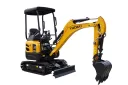
While mini excavators can perform basic leveling and ground preparation, there are scenarios where other equipment may be more efficient. For example, skid steers or compact loaders can move soil more quickly and with less operator skill. Yuchai Mini excavators are ideal for precision tasks, trenching, or working in tight spaces, but for large-scale grading, a machine designed specifically for leveling may save time and reduce the risk of mistakes. Evaluating the project’s scale and complexity helps determine whether a mini excavator is the best tool for the job.
Budget-friendly, off-brand mini excavators can be suitable for occasional or hobby use, but they often lack the durability and dealer support required for commercial applications. Reputable brands provide access to replacement parts, technical support, and higher reliability in heavy-duty tasks. For businesses relying on consistent performance, investing in a quality machine may have higher upfront costs but lower long-term maintenance expenses and fewer operational interruptions.
Operating on uneven or soft terrain requires careful planning. Mini excavators can tip or get stuck if slopes are too steep or the ground is unstable. Operators should evaluate the site for abrupt changes in slope, obstacles like downed trees, and safe entry and exit paths. Adjusting the machine’s position and using outriggers when available can improve stability. Slow and deliberate movements are key to maintaining control and preventing accidents in challenging ground conditions.
Mini excavators are powerful tools that offer flexibility and precision for a wide range of projects. However, safe and effective operation depends on understanding the machine, choosing the right equipment, and matching the tool to the task. By practicing first, using the proper attachments, selecting a reliable machine, and carefully navigating terrain, operators can maximize productivity while minimizing risk. Whether for DIY projects or commercial use, knowledge and preparation are the keys to getting the most out of a mini excavator.
98
0
0
All Comments (0)
If you are interested in sending in a Guest Blogger Submission,welcome to write for us!


Comments